منابع فارسی
*جعفری، جعفر وحدتی؛ حجت؛ اسماعیلی، محمودرضا؛ حکاک، محمد. (1399)، ناسایی شایستگی های رؤسای دانشگاه کارآفرین(نسل سوم) با استفاده از رویکرد دلفی فازی، مجله مدیریت در دانشگاه اسلامی،سال 9، شماره1،صص 140-123.
*حسینی، سید احمد؛ مهدیون، روح الله؛ قاسم زاده علیشاهی، ابوالفضل. (1399). نقش سواد دیجیتالی و شایستگی های کانونی معلمان بر عملکرد شغلی آنان، فصلنامه علوم و فنون مدیریت اطلاعات، دوره6، شماره2، صص42-17.
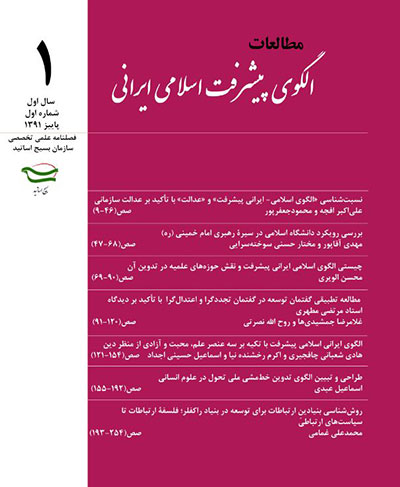
*خورشیدی، عباس؛ فرخی، داود(1391). مؤلفه های سازنده شایستگی های مهارت آموختگان، دو فصلنامه مطالعات برنامه ریزی آموزشی، سال اول، شماره2، صص162-131.
*رحیمیان، حمید؛ عباس پور، عباس؛ غیاثی روشن، سعید؛ اکبری، محمدنقی. (1399)، طراحی و اعتباریابی مدل شایستگی های رؤسای دانشگاه های دولتی کابل، فصلنامه علمی– پژوهشی رهیافتی نو در مدیریت آموزشی، سال دهم شماره،4زمستان ،9، صص 29-1.
*رضوی، سید محمدحسین؛ برومند، محمدرضا؛ عظیمی دلارستاقی، عادله؛ فضلی درزی، اعظم. (1399)، شناسایی و ارزیابی شایستگی های کانونی شغلی دانشجویان و دانش آموختگان تربیت بدنی و علوم ورزشی، مجله پژوهش در ورزش تربیتی،دوره8،شماره19 ،صص90-67.
*سامیان, م., موحدی, ر., سعدی, ح. ا., صالحی عمران, ا. (1399). مدل شایستگی های حرفه ای دانشجویان کشاورزی از دیدگاه خبرگان. پژوهش مدیریت آموزش کشاورزی, (55 #p001559), 137–156.
*سامیان، مسعود؛ موحدیان، رضا. (1396). مدل شایستگی های کانونی و حرفه ای دانشجویان رشته های کشاورزی، مجله آرآفرینی در کشاورزی، دوره چهار، شماره1، صص18-1..
*صالحی عمران، ابراهیم. (1393). آموزش شایستگی های کانونی در برنامه درسی به عنوان رویکرد جدید برای ایحاد ارتباط در مطالعات میان رشته ای.
منابع لاتین
1. Ahmadi, M., Estebsari, F., Poormansouri, S., Jahani, S., & Sedighie, L. (2021). Perceived professional competence in spiritual care and predictive role of spiritual intelligence in Iranian nursing students. Nurse Education in Practice, 57, 103227. https://doi.org/10.1016/J.NEPR.2021.103227
2. Beltyukova, N. P., Grishaeva, A. V, & Karataeva, N. V. (2014). Foreign-language Professional Project-based Method as a Means of Forming Socio-cultural Competence in Non-language-majoring Students. Procedia - Social and Behavioral Sciences, 154, 446–451. https://doi.org/https://doi.org/10.1016/j.sbspro.2014.10.190
3. Bressan, V., Stevanin, S., Bulfone, G., Zanini, A., Dante, A., & Palese, A. (2016). Measuring patient safety knowledge and competences as perceived by nursing students: An Italian validation study. Nurse Education in Practice, 16(1), 209–216. https://doi.org/10.1016/j.nepr.2015.08.006
4. Castrèn, M., Mäkinen, M., Nilsson, J., & Lindström, V. (2017). The effects of interprofessional education – Self-reported professional competence among prehospital emergency care nursing students on the point of graduation – A cross-sectional study. International Emergency Nursing, 32, 50–55. https://doi.org/https://doi.org/10.1016/j.ienj.2017.02.004
5. Evtyugina, A. A., Sturikova, M. V, Shokhov, K. O., Kondyurina, I. M., & Albrekht, N. V. (2021). Gaining Competence for Intercultural Communication of Students and Pedagogical Conditions for Its Realisation [Stjecanje kompetencije za međukulturnu komunikaciju studenata i pedagoški uvjeti njezina ostvarivanja]. Croatian Journal of Education, 23(4), 1087–1114. https://doi.org/10.15516/cje.v23i4.4144