1. امیری,یوسف , اسلامبولچی,علیرضا , لطیفی,میثم و اصغری صارم,علی . (1401). بومی سازی الگوی تعالی معنویت سازمانی بارویکرد اسلامی در سازمان بیمه سلامت ایران. (e152037). فصلنامه علمی مطالعات الگوی پیشرفت اسلامی ایرانی, 10(1), e152037
2. فشارکی,فرزاد و صحت,سعید . (1395). بررسی رابطه میان مدیریت منابع انسانی اسلامی و تعهد کارکنان با میانجیگری عدالت سازمانی. فصلنامه علمی مطالعات الگوی پیشرفت اسلامی ایرانی, 4(8), 47-72.
3. دهمرده, محبعلی و ناستی زایی, ناصر . (1398). بررسی تأثیر اعتماد سازمانی بر تعهد سازمانی از طریق متغیر میانجی مشارکت سازمانی. پژوهش های مدیریت عمومی, 12(44), 155-180. doi: 10.22111/jmr.2019.23818.3788
4. نفتی، مهدی، و حسین زاده، علی. (1397). بررسی تأثیر اعتماد سازمانی بر تعهد سازمانی به واسطه فضیلت سازمانی و انگیزه شغلی موردمطالعه: کارکنان بانک ملی مشهد. پژوهش نامه مدیریت تحول (پژوهش نامه مدیریت)، 10(2 (پیاپی 20) )، 67-94. SID. https://sid.ir/paper/386546/fa
5. فرقانی، محسن و دشتی، الهام السادات،1404،بررسی تاثیر اعتماد سازمانی بر مولفه های تعهد سازمانی همراه با نقش تعدیلگر هویت ملی در بین کارکنان بیمارستان مرتاض شهر یزد،https://civilica.com/doc/2487115
6. خزائی پول، قربانعلی،1403،بررسی تاثیر عدالت سازمانی بر تعهد سازمانی با نقش میانجی اعتماد سازمانی،بیستمین کنفرانس ملی اقتصاد، مدیریت و حسابداری،شیروان،https://civilica.com/doc/2089817
7. بهرامی, حمید رضا و صریحی اسفستانی, رسول . (1394). ارتباط بین اعتماد سازمانی، حمایت سازمانی ادراک شده و تعهد سازمانی. مطالعات مدیریت بهبود و تحول, 24(78), 1-16. doi: 10.22054/jmsd.2015.1799
8. جزنی، نسرین و سلطانی، شاروخ (1395)، «بررسی تأثیر عدالت سازمانی بر تعهد سازمانی در پرتو اعتماد سازمانی»، فصلنامه مدیریت توسعه و تحول، شماره 25 دوره 8 تابستان 1395.
9. جوادی آملی، عبدالله (1390). عدل الهی. قم: اسراء.
10. جوادی آملی، عبدالله (1396). حکمت و حکومت. قم: اسراء.
11. مرکز الگوی پیشرفت اسلامی–ایرانی (1399). گزارشهای راهبردی الگوی پیشرفت اسلامی–ایرانی. تهران: مرکز الگو.
12. رضایی، سیدمهدی؛ قاسمی، محمد (1400). تبیین عدالت سازمانی در نظام اداری جمهوری اسلامی ایران. فصلنامه مدیریت دولتی، 12(23)، 45-68.
13. صادقی، محمدحسین؛ موسوی، زهرا (1399). نقش عدالت سازمانی در ارتقای اعتماد سازمانی کارکنان دولت. پژوهشهای مدیریت منابع انسانی، 11(2)، 89-112.
14. کاظمی، علی؛ حسینی، فاطمه (1401). حکمرانی اسلامی و الزامات تحقق عدالت در نظام اداری. فصلنامه سیاستگذاری عمومی، 6(1)، 25-52.
15. نصرالهی، رضا (1398). عدالت و کارآمدی در نظام اداری اسلامی. مطالعات مدیریت اسلامی، 10(1)، 1-24.
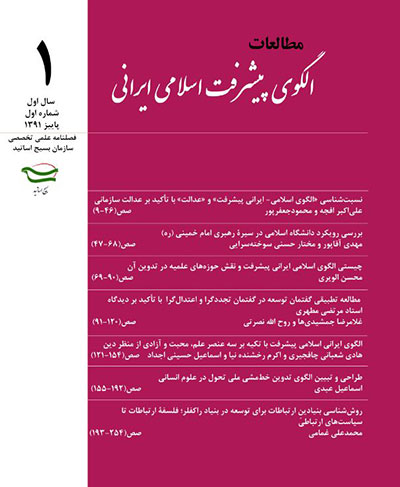
16. افجه، سید علی اکبر و جعفرپور، محمود (1391) نسبت شناسی «الگوی اسلامی- ایرانی پیشرفت» و «عدالت» با تأکید بر عدالت سازمانی. مطالعات الگوی پیشرفت اسلامی و ایرانی سال اول پاییز 1391 شماره 1.
1. Allen, N. J., & Meyer, J. P. (1990). The measurement and antecedents of affective, continuance and normative commitment to the organization. Journal of Occupational Psychology, 63(1), 1–18.
2. Colquitt, J. A. (2001). On the dimensionality of organizational justice: A construct validation of a measure. Journal of Applied Psychology, 86(3), 386–400.
3. Colquitt, J. A., Scott, B. A., Rodell, J. B., Long, D. M., Zapata, C. P., Conlon, D. E., & Wesson, M. J. (2013). Justice at the millennium: A meta-analytic review of 25 years of organizational justice research. Journal of Applied Psychology, 98(2), 199–236.
4. Mayer, R. C., Davis, J. H., & Schoorman, F. D. (1995). An integrative model of organizational trust. Academy of Management Review, 20(3), 709–734.
5. Rousseau, D. M., Sitkin, S. B., Burt, R. S., & Camerer, C. (1998). Not so different after all: A cross‐discipline view of trust. Academy of Management Review, 23(3), 393–404.
6. Rawls, J. (1999). A Theory of Justice (Revised ed.). Cambridge, MA: Harvard University Press.
7. Cropanzano, R., Bowen, D. E., & Gilliland, S. W. (2007). The management of organizational justice. Academy of Management Perspectives, 21(4), 34–48.
8. Tajudin, Boge Triatmanto, Syaiful Arifin, 2026, Ethical leadership and organizational commitment: The roles of ethical culture and trust through PLS-SEM, NCA, and fuzzy TOPSIS, Social Sciences & Humanities Open, Volume 13, June 2026, 102446.
9. Hajer Mousa Alriyami, Khalifa Alneyadi, Hessa Alnuaimi, Ilias Kampouris, 2024, Employees trust, perceived justice, on task performance: Mediating and moderating role of autonomy and organizational culture, International Journal of Industrial Ergonomics, Volume 104, November 2024, 103647.
10. Hajer Mousa Alriyami, Khalifa Alneyadi, Hessa Alnuaimi, Ilias Kampouris, 2024, Employees trust, perceived justice, on task performance: Mediating and moderating role of autonomy and organizational culture, International Journal of Industrial Ergonomics, Volume 104, November 2024, 103647.
11. Habiba Lahlou-Kassi, Abdellatif Eddakir, 2025, Exploring the impact of perceived distributive justice on organizational commitment, Scientific African, Volume 29, September 2025, e02782.
12. Hazem Aldabbas, Abdallah M. Elamin & Ahmed Zain Elabdin Ahmed, 2025, Organizational justice and affective commitment: the mediating role of perceived organizational support among UAE government employees, 2514807 | Received 05 Mar 2025, Accepted 28 May 2025,
13. Hayfaa A Tlaiss, Abdallah M. Elamin, 2015, Exploring organizational trust and organizational justice among junior and middle managers in Saudi Arabia: Trust in immediate supervisor as a mediator, Journal of Management Development (2015) 34 (9): 1042–1060. https://doi.org/10.1108/JMD-10-2014-0129.
14. Aruoren, E. E., Odiri, V. I.O., & Igemohia, M. (2021). Mediating effect of organizational trust on the nexus between organizational justice and knowledge sharing: an empirical investigation. Journal of Management Information and Decision Sciences, 24(6), 1-14.